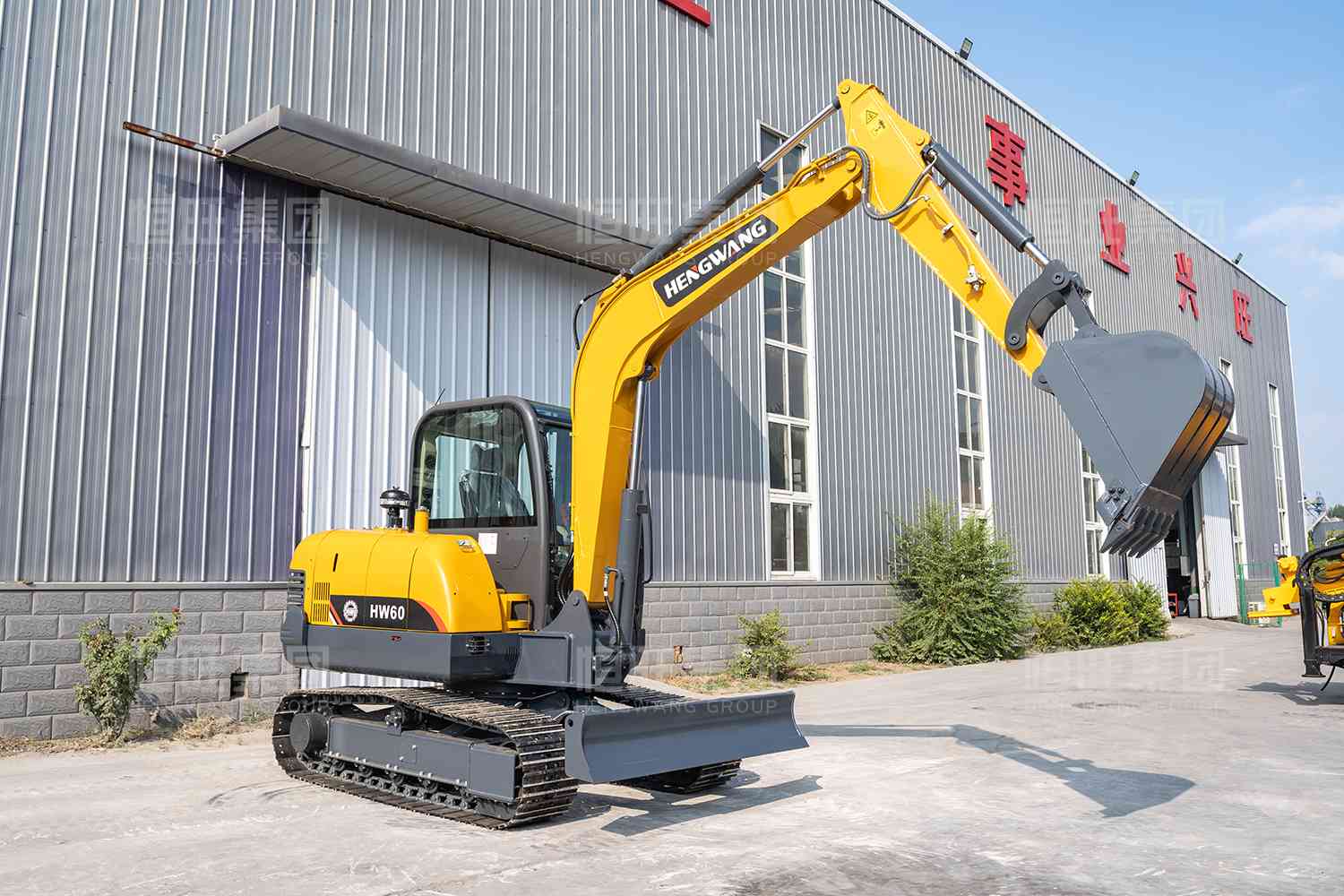
Operating an excavator on soft ground (such as wetlands, backfill, or silt layers) increases safety risks significantly. Mastering the following guidelines can effectively reduce the probability of sinking, rollovers, and other accidents, ensuring construction safety and efficiency:
Site Risk Assessment
Observe the ground for settlement, water accumulation, or abnormal vegetation. Test bearing capacity by lightly pressing the bucket (if penetration >10cm, reinforce the area).
Mark underground pipelines and avoid hidden hazards like cavities or ditches, ensuring no personnel stay within the excavator's operation radius.
Equipment Condition Check
Inspect track tension and wear on track rollers to ensure sufficient ground contact area. Replace hydraulic oil with low-temperature/soft-ground suitable types (e.g., ISO VG 32).
Run a test before startup: check brakes, steering, and hydraulic systems, ensuring dashboard alarms function properly.
Safe Movement
Move at low speed (≤5km/h), avoid sudden turns or stops, and travel along compacted routes to reduce unilateral track pressure.
When working on slopes (≤15°), keep tracks perpendicular to the slope and use the bucket as a support point to prevent sliding.
Digging Protocols
Load ≤70% of the rated capacity per dig, with depth not exceeding 1.5x the bucket height to avoid overloading and imbalance.
Insert the bucket slowly into the soil, using its support to stabilize the excavator—never force digging, which may cause sinking.
Real-Time Monitoring
If tracks sink slightly (<5cm), retract the bucket to the ground for support and reverse slowly. Never idle tracks, as this worsens slippage.
Move the excavator periodically during long operations to avoid continuous pressure on one area; use steel plates/wooden sleepers to expand the support surface.
Scientific Recovery Steps
Mild Sinking: Insert the bucket into firm ground ahead, alternately lift the boom and retract tracks to escape using counterforce.
Severe Sinking: Call for rescue equipment (e.g., loaders), use steel cables to tow from a solid chassis point (towing angle ≤30°). Never force operations to avoid component damage.
Site Management
Keep non-operators outside the 5m operation radius. Instructors should stand in a clear view area (e.g., 45° behind the cab) and use standard hand signals.
Turn on full lighting for night operations and set reflective warning signs around the excavator to avoid accidents in blind spots.
Equipment Maintenance
Clean mud from tracks and buckets after operation, inspect the chassis lubrication system for blockages, and prevent corrosion from mud.
Replace antifreeze (freezing point ≤-30℃) in cold environments and preheat the engine before startup to reduce low-temperature wear on the excavator.
When operating an excavator on soft ground, remember the principles: "Assess first, load lightly, move slowly, and act promptly." Following these guidelines can reduce sinking risks by 60% and extend equipment life by 30%. For extreme conditions (e.g., swamps,), use specialized wetland excavators (with widened tracks) and develop targeted safety plans.
If you need professional construction, please contact us